Recovering a Failed Cleanroom Validation Following Facility Modifications
A medical device manufacturer undertook internal facility modifications — including the installation of additional equipment and a change to their cleanroom layout — without implementing formal change control.
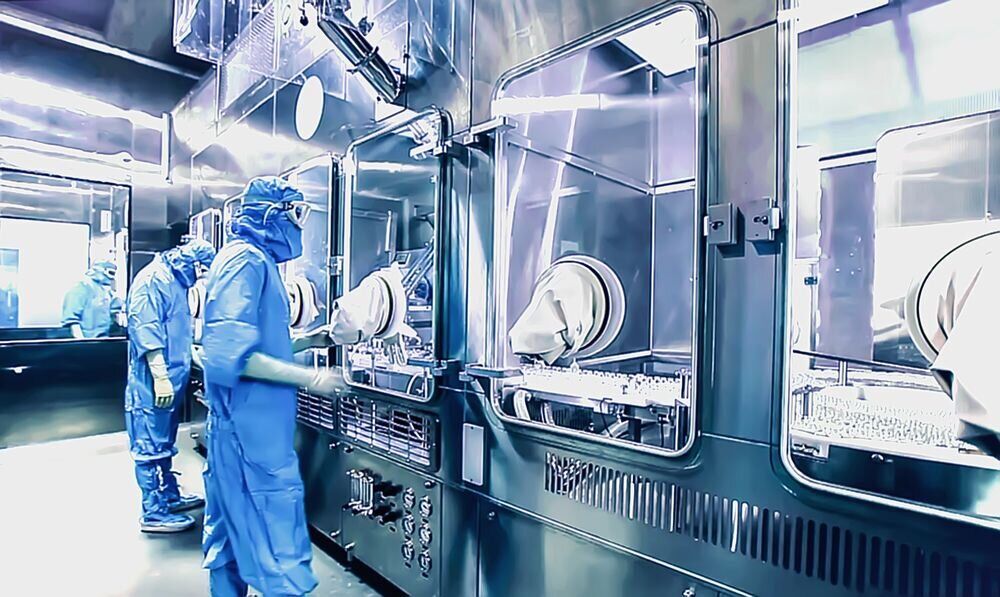
The Challenge:
A medical device manufacturer undertook internal facility modifications — including the installation of additional equipment and a change to their cleanroom layout — without implementing formal change control. A subsequent ISO classification test failed, revealing that particle counts in critical zones now exceeded ISO Class 8 limits. The facility was placed out of service pending resolution.
The Approach:
A root cause investigation was conducted — identifying that the additional equipment had disrupted the designed airflow pattern within the cleanroom, creating dead zones with insufficient air changes and elevated particle counts. The layout change had also introduced a new contamination pathway between the cleanroom and an adjacent uncontrolled space.
The Solution:
The HVAC system was reconfigured — repositioning supply diffusers and adjusting air volumes to restore designed airflow patterns and eliminate dead zones. The contamination pathway was sealed and verified. A full requalification was executed, including airflow visualisation, particle count testing, pressure differential verification, and temperature and humidity mapping. The facility was returned to compliant ISO Class 8 operation with a full validation package. A change control procedure was implemented to prevent recurrence.
Key Learning:
Facility modifications — however minor they appear — must always go through formal change control in a regulated environment. Changes that seem cosmetic or operational can have significant impacts on your cleanroom's environmental performance and validated status.
Share this article
Send this resource to your team or keep it for project reference.
