Understanding ISO 14644 — A Practical Guide for Cleanroom Operators
ISO 14644 is the international standard that defines cleanroom classifications and sets the requirements for cleanroom design, construction, monitoring, and operation.
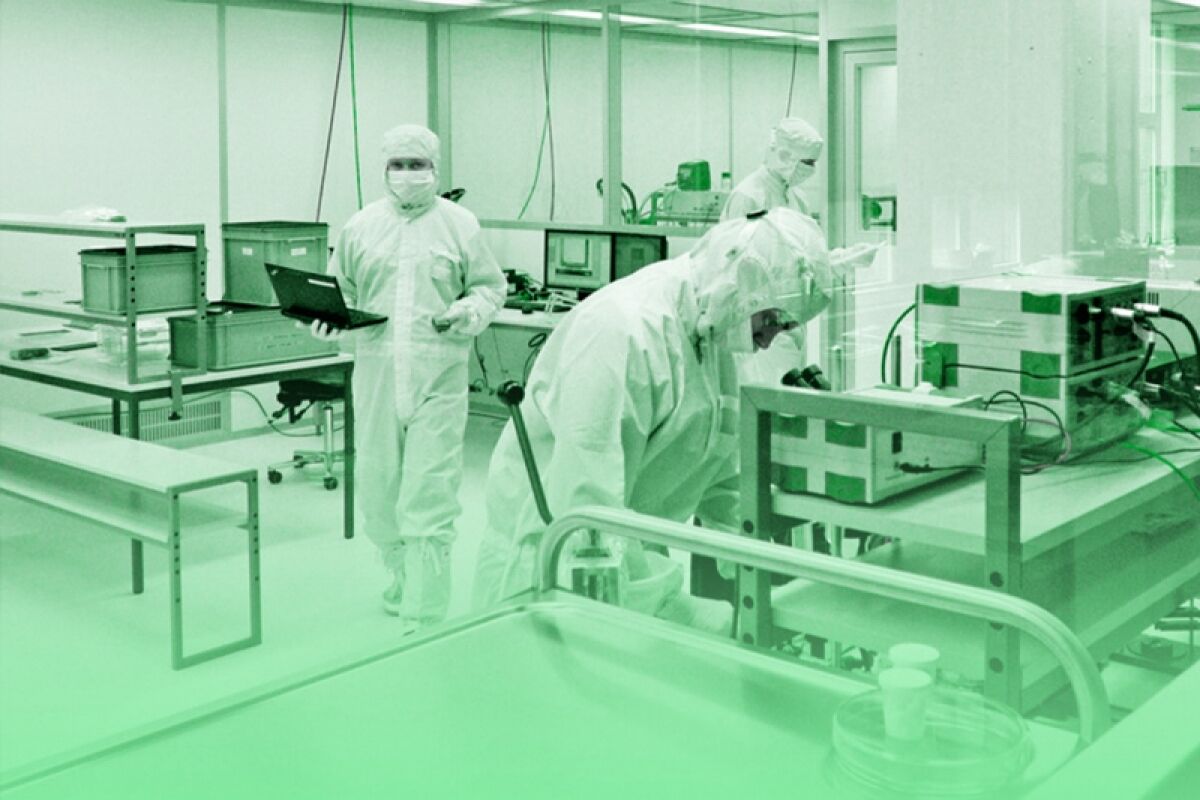
Introduction:
ISO 14644 is the international standard that defines cleanroom classifications and sets the requirements for cleanroom design, construction, monitoring, and operation. If you operate a cleanroom, this standard governs your facility — but its technical language can make it difficult to understand what it actually requires in practice. Here is a plain-language guide to the most important elements of ISO 14644 for cleanroom operators and quality professionals.
What ISO 14644 Covers:
The ISO 14644 standard series covers cleanroom classification, monitoring, design and construction, operations, contamination control, and testing. The most frequently referenced parts are ISO 14644-1 which covers classification of air cleanliness by particle concentration, and ISO 14644-2 which covers monitoring to provide evidence of cleanroom performance related to air cleanliness.
ISO Cleanroom Classifications:
ISO 14644-1 defines nine cleanroom classes — ISO Class 1 being the cleanest and ISO Class 9 the least restrictive. Each class is defined by the maximum permitted concentration of airborne particles at specified sizes. Most pharmaceutical manufacturing operations fall between ISO Class 5 and ISO Class 8, corresponding approximately to EU GMP Grades A through D.
At Rest vs In Operation:
ISO 14644-1 requires cleanrooms to be classified both at rest — when all equipment is installed and operating but no personnel are present — and in operation — under normal working conditions with the specified number of personnel present and active. Both classification states must meet the specified limits for your ISO class.
What This Means For You:
Your cleanroom must be classified by particle count testing at defined locations, using the statistical sampling approach specified in ISO 14644-1. Classification must be repeated at defined intervals — typically every six months for ISO Class 5 and cleaner, and every twelve months for ISO Class 6 and above. The results must be documented and retained as compliance evidence.
Share this article
Send this resource to your team or keep it for project reference.
