The Five Most Common Cleanroom Compliance Failures — And How to Prevent Them
Cleanroom compliance failures rarely happen without warning. In most cases, the signs are visible weeks or months before a regulator identifies them
Introduction:
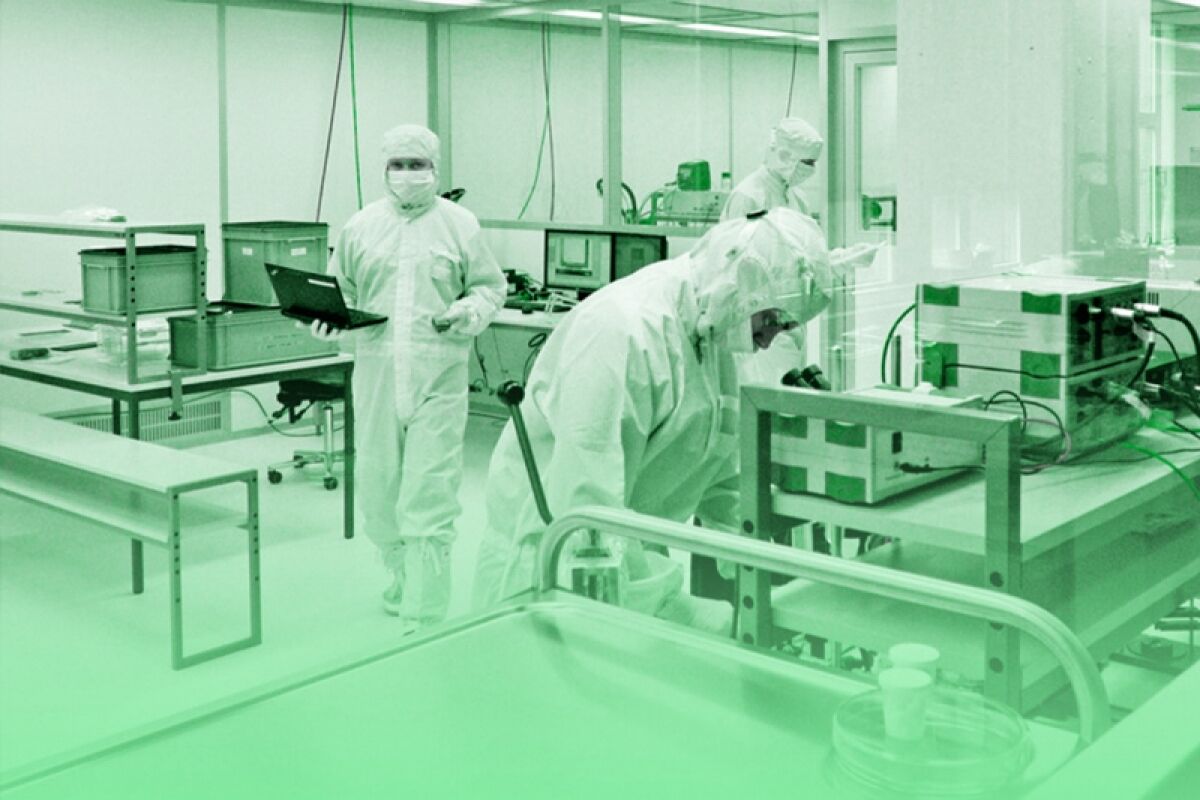
Cleanroom compliance failures rarely happen without warning. In most cases, the signs are visible weeks or months before a regulator identifies them — in environmental monitoring trends, in personnel behaviour, in maintenance records, and in the physical condition of the facility. Here are the five compliance failures we encounter most frequently on site — and the practical steps that prevent them.
- Inadequate Gowning Procedures
Personnel are the primary source of contamination in most cleanrooms. Incorrect gowning — rushed procedures, skipped steps, inadequate garment coverage, or the use of worn or damaged garments — introduces enormous quantities of particles and microorganisms into your controlled environment. The solution is documented gowning SOPs, regular practical gowning assessments, and a culture where gowning standards are non-negotiable regardless of time pressure.
- Poor Pressure Differential Control
Pressure differentials are your first line of defence against contamination ingress from adjacent spaces. When pressure differentials are not consistently maintained — because of HVAC faults, open doors, or inadequate monitoring — contamination can migrate freely between classified zones. Daily pressure differential monitoring with documented records, and immediate investigation of any readings outside specification, is the minimum requirement.
- Inadequate Cleaning & Disinfection
Cleaning and disinfection programmes that use inappropriate agents, incorrect concentrations, insufficient contact times, or non-validated procedures create a false sense of cleanliness while allowing microbial contamination to persist and proliferate. A documented, validated cleaning programme using agents appropriate for your ISO classification — rotated to prevent microbial resistance — is the foundation of effective contamination control.
- Lapsed Instrument Calibration
Instruments whose calibration has expired are producing data that cannot be relied upon. In a GMP environment, decisions made on the basis of out-of-calibration instruments are potentially invalid — creating regulatory risk and product quality concerns. A managed calibration schedule with advance notification of expiry dates, and a quarantine procedure for out-of-calibration instruments, prevents this easily avoidable compliance failure.
- Uncontrolled Facility Modifications
As covered in our case studies, facility modifications implemented without formal change control can unknowingly compromise your cleanroom's environmental performance and validated status. Every change — from adding a piece of equipment to repositioning a shelf — must go through documented change control assessment before implementation.
Share this article
Send this resource to your team or keep it for project reference.
