CLEANROOM FUNDAMENTALS
Answers to the questions our clients ask most often about cleanrooms, laboratories, compliance, and our services — straight answers from people who work in controlled environments every day.
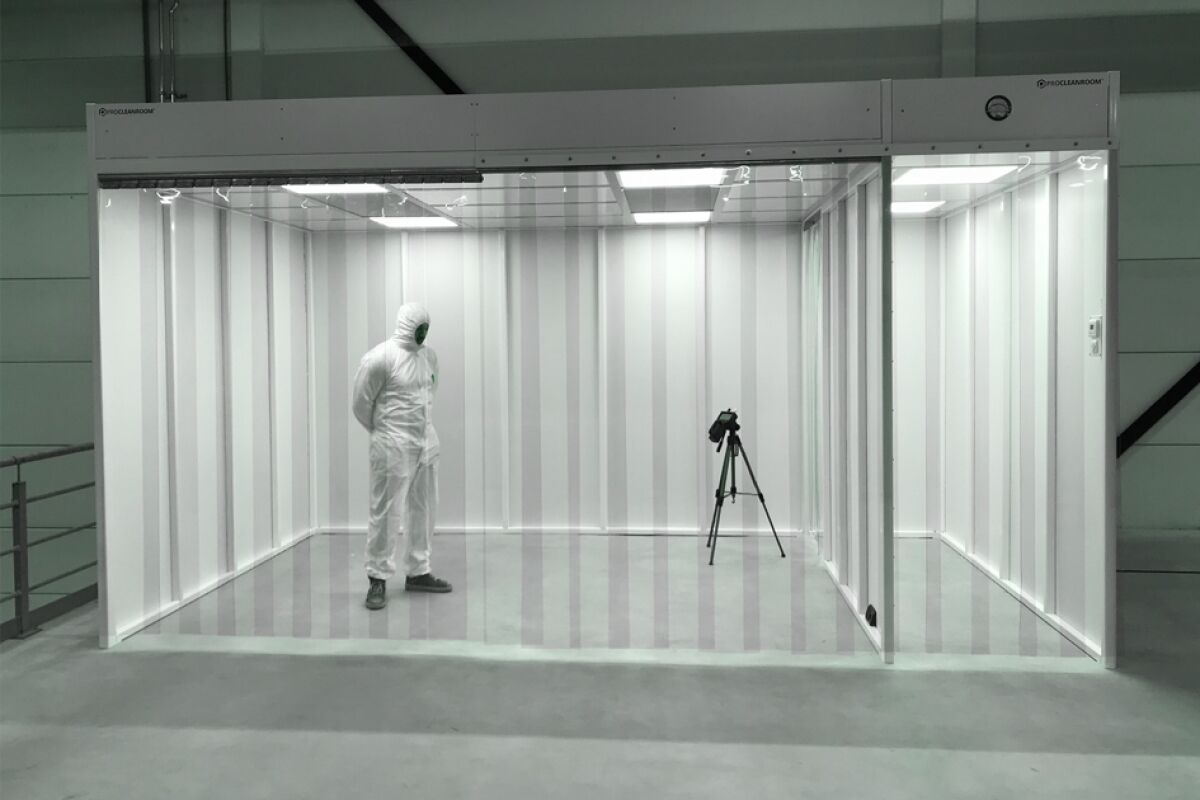
Q: What is a cleanroom?
A cleanroom is a controlled environment in which the concentration of airborne particles is maintained within specified limits. Cleanrooms also control temperature, humidity, pressure, and in some cases microbial contamination — to protect sensitive products, processes, and people from contamination during manufacturing, research, or testing activities.
Q: What do ISO cleanroom classifications mean?
ISO 14644-1 defines nine cleanroom classes — ISO Class 1 being the cleanest with the lowest permitted particle concentration, and ISO Class 9 being the least restrictive. Each class is defined by the maximum number of airborne particles per cubic metre at specified particle sizes. The class you need depends on your product, your process, and your regulatory requirements.
Q: What is the difference between ISO Class 7 and GMP Grade C?
ISO 14644-1 classifications and EU GMP grades are two different but related frameworks. ISO Class 7 is approximately equivalent to EU GMP Grade C — both specify similar particle count limits — but GMP Grade C also includes additional requirements for microbial contamination limits, personnel gowning, and operational procedures that ISO 14644-1 does not address. In pharmaceutical facilities both frameworks apply simultaneously.
Q: How often does a cleanroom need to be reclassified?
ISO 14644-2 requires reclassification at least every 6 months for ISO Class 5 and cleaner facilities, and at least every 12 months for ISO Class 6 and above. Your applicable GMP guidelines may specify more frequent testing requirements.
Share this article
Send this resource to your team or keep it for project reference.
